
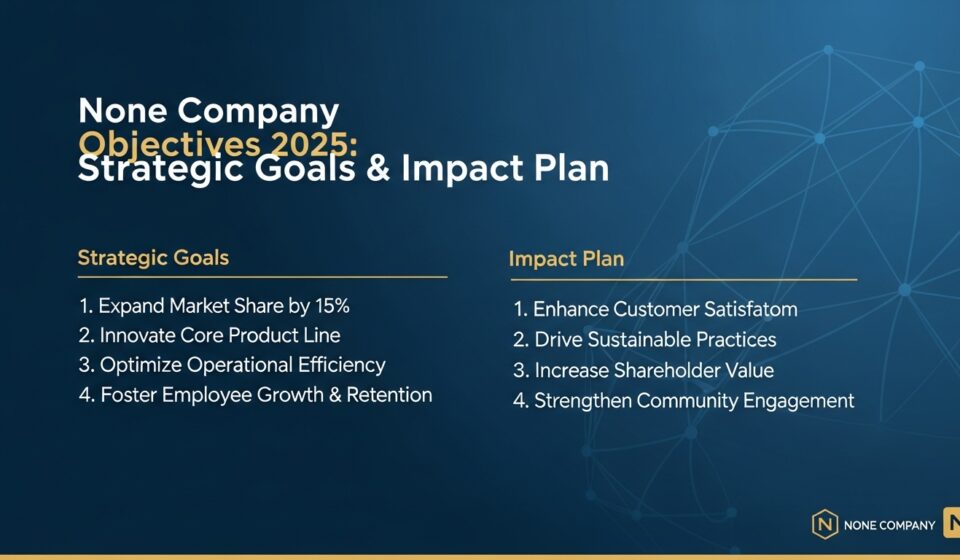

None Company Objectives 2025 play a crucial role in shaping our communities and addressing pressing social issues. They are the heart of charitable efforts, mobilizing resources and people to create positive change. As we look toward 2025, it’s essential for these organizations to establish clear objectives that align with their mission and vision. Setting effective company objectives is not just about survival; it’s about thriving in an ever-changing landscape.
With the world facing challenges like climate change, poverty, and inequality, nonprofits must adapt their strategies to maximize impact. By focusing on strategic goals tailored for 2025, nonprofits can better navigate uncertainties while ensuring they stay true to their core values. This blog post will explore how nonprofit organizations can define their objectives for the coming years and measure success through thoughtful planning and evaluation methods. Join us as we delve into the collaborative processes behind goal-setting, learn from inspiring case studies, discuss potential hurdles along the way, and envision a brighter future for nonprofits by 2025!
The Importance of Setting Strategic Goals for Nonprofits
Setting strategic goals is crucial for nonprofits. These objectives provide a clear direction and purpose, aligning efforts across the organization.
When nonprofit leaders establish specific goals, they create a roadmap for success. This focus helps teams prioritize actions that drive impact.
Moreover, well-defined goals enhance accountability. Team members understand their roles and responsibilities better when working towards common targets. It fosters collaboration and boosts morale.
Strategic goals also facilitate resource allocation. With clarity on priorities, organizations can direct time, funds, and talent where they’re needed most.
Additionally, setting measurable outcomes allows nonprofits to track progress over time. Regular evaluations reveal what works and what needs adjustment. This adaptability is essential in responding to community needs effectively.
By concentrating on strategic objectives, nonprofits position themselves as effective change agents within their communities—maximizing both reach and influence while striving toward meaningful results.
Defining the Objectives for 2025: A Collaborative Process
Defining none company objectives 2025 is a journey that thrives on collaboration. Engaging stakeholders early creates a sense of ownership and accountability.
Bringing diverse voices to the table ensures that various perspectives are considered. This inclusive approach fosters creativity, leading to innovative solutions tailored to community needs.
Workshops and brainstorming sessions can ignite fresh ideas. Participants might propose unique initiatives or highlight gaps in current strategies.
It’s essential to set measurable goals during this process. Specificity helps teams understand how their contributions align with broader organizational missions.
Regular check-ins keep everyone aligned and motivated. As circumstances evolve, adapting objectives becomes crucial for long-term impact.
Once the collaborative groundwork is laid, nonprofits can confidently embark on their strategic path toward achieving meaningful change by 2025.
Impact Planning: Measuring and Evaluating the Success of Nonprofit Objectives
Impact planning is essential for nonprofits aiming to measure their effectiveness. It involves identifying clear metrics that reflect the organization’s objectives.
Defining what success looks like helps in setting measurable outcomes. This could involve tracking volunteer hours, fundraising totals, or community engagement levels.
Data collection becomes a vital tool in this process. Utilizing surveys and feedback mechanisms can provide insights into program efficacy and community perception.
Regular evaluations enable organizations to adapt their strategies. By analyzing results, nonprofits can pivot when necessary, enhancing their impact over time.
Engaging stakeholders in this evaluation fosters transparency and accountability. When everyone feels involved, it strengthens support networks.
Detailed impact planning ensures that nonprofit missions align closely with tangible benefits for the communities they serve. Each step taken toward assessing objectives paves the way for meaningful change and growth.
Case Studies: Successful Nonprofits and Their Impact Plans
Examining successful nonprofit organizations reveals valuable insights into effective impact planning. Take Charity: Water, for instance. Their mission is simple: provide clean drinking water globally. They’ve implemented a unique model that allows donors to see exactly where their contributions go, fostering trust and engagement.
Another notable example is the World Wildlife Fund (WWF). Through detailed impact plans focused on conservation efforts, WWF engages communities in protecting threatened species. Their initiatives emphasize education and sustainable practices, showcasing how nonprofits can drive change through collaboration.
Then there’s Teach For America, which addresses educational inequity by recruiting talented individuals to teach in underserved schools. Their structured objectives are centered around measurable outcomes for students, ensuring accountability at every level.
These case studies highlight diverse strategies but share common threads of transparency and community involvement as keys to impactful planning within nonprofit sectors.
Challenges and Solutions in Achieving Nonprofit Objectives
Nonprofit organizations often face considerable challenges in achieving their objectives. Resource limitations can hinder progress, making it difficult to fulfill missions effectively. Many nonprofits operate on tight budgets and depend heavily on grants and donations.
Staffing issues present another hurdle. High turnover rates can disrupt continuity and reduce institutional knowledge. Training new staff requires time and resources that are often unavailable.
Competition for funding is fierce. Nonprofits must continuously showcase their impact to attract donors. This pressure can lead to burnout among team members as they strive to meet fundraising targets.
Innovative solutions exist, however. Collaborating with other organizations can pool resources and share expertise, enhancing overall effectiveness. Additionally, investing in technology streamlines operations and increases outreach capabilities.
A focus on community engagement fosters deeper connections with stakeholders. By involving those served in decision-making processes, nonprofits create programs that truly resonate with the needs of the community they aim to help.
Looking Towards a Bright Future for Nonprofits in 2025
As we look toward 2025, the future of nonprofit organizations appears promising. With a steadfast commitment to their missions, nonprofits are increasingly adopting innovative strategies that align with changing societal needs.
Engaging stakeholders in every step is vital. Collaboration fosters creativity and ensures that objectives resonate within communities. By harnessing technology and data-driven insights, nonprofits can enhance their outreach efforts and connect more effectively with supporters.
The growing trend of transparency among nonprofits is also encouraging. Donors want to see tangible impacts from their contributions. Nonprofits focusing on clear communication about goals and achievements will build stronger relationships with their funding sources.
Sustainability remains at the forefront as well. Organizations prioritizing environmental responsibility alongside social initiatives are likely to inspire greater trust and support from both individuals and businesses alike.
As challenges arise, adaptability becomes crucial for success. none company objectives 2025 that embrace change while staying true to their core values will thrive in an evolving landscape.
With strategic goals firmly established for 2025, nonprofits have a unique opportunity to amplify their impact significantly. The road ahead may present obstacles but offers numerous possibilities for growth, collaboration, and lasting change within communities worldwide. As they strive towards these objectives, the potential for transformative impact continues to expand—ushering in a brighter era for nonprofit endeavors everywhere.