
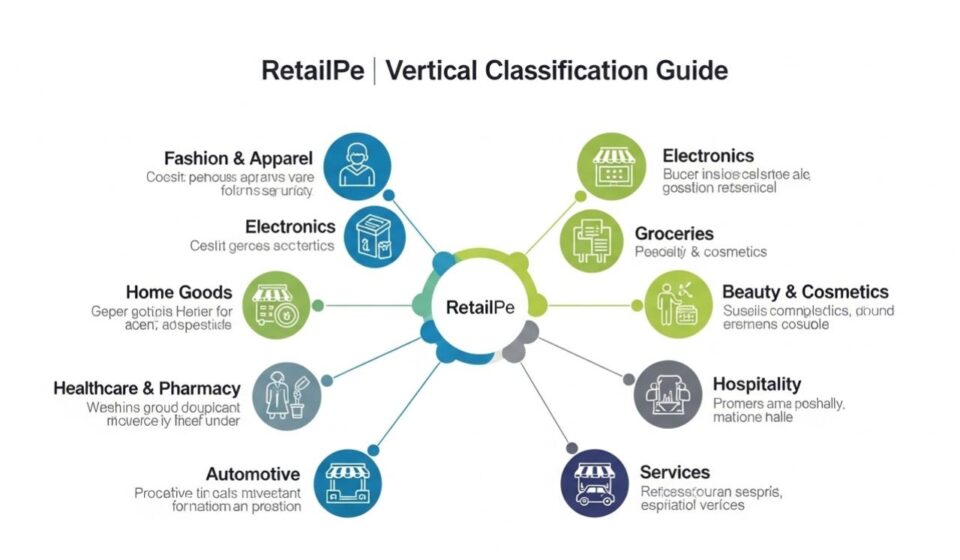

Welcome to the world of RetailPe, where innovation meets opportunity for businesses looking to thrive in a competitive landscape. As retail continues to evolve, understanding how to effectively categorize your business can set you apart. That’s where the RetailPe Business Vertical Classification Guide comes into play.
This guide is designed not just for big corporations but also small enterprises striving to find their niche in the vast retail ecosystem. By classifying your business into distinct verticals, you unlock a treasure trove of benefits—targeted marketing strategies, improved customer engagement, and enhanced operational efficiency.
Ready to discover how aligning with specific business verticals can elevate your brand? Let’s dive deeper into this essential tool and see how it can transform the way you approach your market strategy!
Benefits of Classifying Your Business into Verticals
Classifying your business into verticals brings clarity and focus. It allows you to tailor your strategies specifically for each segment, enhancing efficiency in operations.
When businesses are categorized, they can better identify their target audience. This understanding leads to more effective marketing campaigns that resonate with specific customer needs.
Moreover, vertical classification streamlines resource allocation. You can invest wisely where it matters most based on the unique demands of each vertical.
Data analysis becomes easier too. By examining performance within distinct categories, businesses can uncover opportunities or challenges that require attention.
Collaboration among teams also improves when everyone understands their role within a specific vertical framework. It fosters innovation and encourages teamwork aimed at common goals.
Embracing this classification method sets the stage for sustainable growth and success in today’s competitive landscape.
Understanding the Different Types of Verticals in RetailPe
RetailPe offers a diverse array of business verticals tailored to various market needs. Each vertical serves distinct sectors, helping businesses streamline their operations and target specific audiences.
For instance, the fashion vertical caters to retailers focusing on apparel and accessories. This sector thrives on trends and seasonal changes, making it essential for businesses to stay updated.
Another significant category is electronics, which encompasses gadgets and tech products. Here, timely updates and product launches play a critical role in maintaining competitiveness.
The health and beauty vertical focuses on products that enhance wellness and personal care. Brands in this space benefit from understanding consumer preferences related to quality ingredients or eco-friendly packaging.
Food and beverage is yet another vibrant sector within RetailPe’s classification. It includes everything from gourmet shops to local cafes, offering unique challenges like inventory management due to perishables.
Each vertical enables businesses to carve out their niche while leveraging shared insights for growth.
How to Categorize Your Business into Verticals
Categorizing your business into verticals starts with understanding what you offer. Identify the core products or services that define your brand.
Next, analyze your target audience. Who are they? What needs do they have that align with your offerings? Segmenting customers helps pinpoint which vertical suits them best.
Research competitors within potential verticals. Look at their strategies and how they classify themselves. This insight can highlight gaps in the market where your business might thrive.
Utilize RetailPe’s categorization tools for guidance. These resources help clarify distinctions between different industries and niches, making it easier to position yourself effectively.
Remain flexible. As market trends evolve, so may your business focus. Regularly review and adjust categories to ensure alignment with current goals and customer demands.
Tips for Setting Up and Maintaining Verticals in RetailPe
Start by thoroughly assessing your business’s core functions and strengths. Identify specific categories that align with your products or services. This foundational step helps in creating a clear vertical.
Engage stakeholders from various departments during the setup process. Their insights can reveal unique perspectives on how to classify offerings effectively. Collaboration fosters ownership, ensuring everyone is aligned with the vertical strategy.
Regularly review and update classifications based on market trends and customer feedback. Retail evolves quickly, so staying adaptable is crucial for long-term success.
Utilize data analytics to understand performance within each vertical. Track metrics like sales volume, customer engagement, and inventory turnover to inform decision-making.
Communicate changes consistently across teams. Keeping everyone informed promotes transparency and encourages collective efforts towards maintaining these classifications over time.
Case Studies: Successful Businesses that Utilize RetailPe’s Vertical Classification Guide
RetailPe’s Vertical Classification Guide has empowered businesses across various sectors to refine their strategies. One notable example is a local fashion retailer that embraced this framework. By categorizing products into distinct verticals, they achieved targeted marketing and increased customer engagement.
Another success story comes from a grocery chain that utilized the guide to differentiate between fresh produce, packaged goods, and household items. This clear segmentation led to optimized inventory management and improved sales.
A tech startup also leveraged RetailPe’s classification system to streamline its offerings in electronics and accessories. Their focused approach resulted in enhanced visibility for niche products, driving online traffic significantly.
These businesses illustrate how effective vertical classification can lead to operational efficiency, better customer targeting, and ultimately higher profits. With real-world examples like these, it’s evident that RetailPe plays a crucial role in organizational growth within diverse industries.
Next Steps for Your Business
To leverage the full potential of RetailPe’s business vertical classification, start by assessing your current operations and identifying which vertical aligns best with your unique offerings. This step will not only enhance clarity in your branding but also improve customer engagement.
Consider utilizing the tools provided within RetailPe to streamline this process. Take advantage of analytics and insights that can guide you as you categorize your business effectively. Regularly revisiting these categories is vital; markets evolve, and so do consumer preferences.
Engage with other businesses or communities using RetailPe for knowledge-sharing and support. Collaboration can lead to innovative ideas on how to optimize your verticals further.
Keep an eye on industry trends. Adapting quickly will position you favorably against competitors who may be slower to react. By following these steps, you’ll set a solid foundation for growth through effective classification in RetailPe’s system, ultimately leading to increased sales and customer loyalty as you refine your focus within defined market segments.